

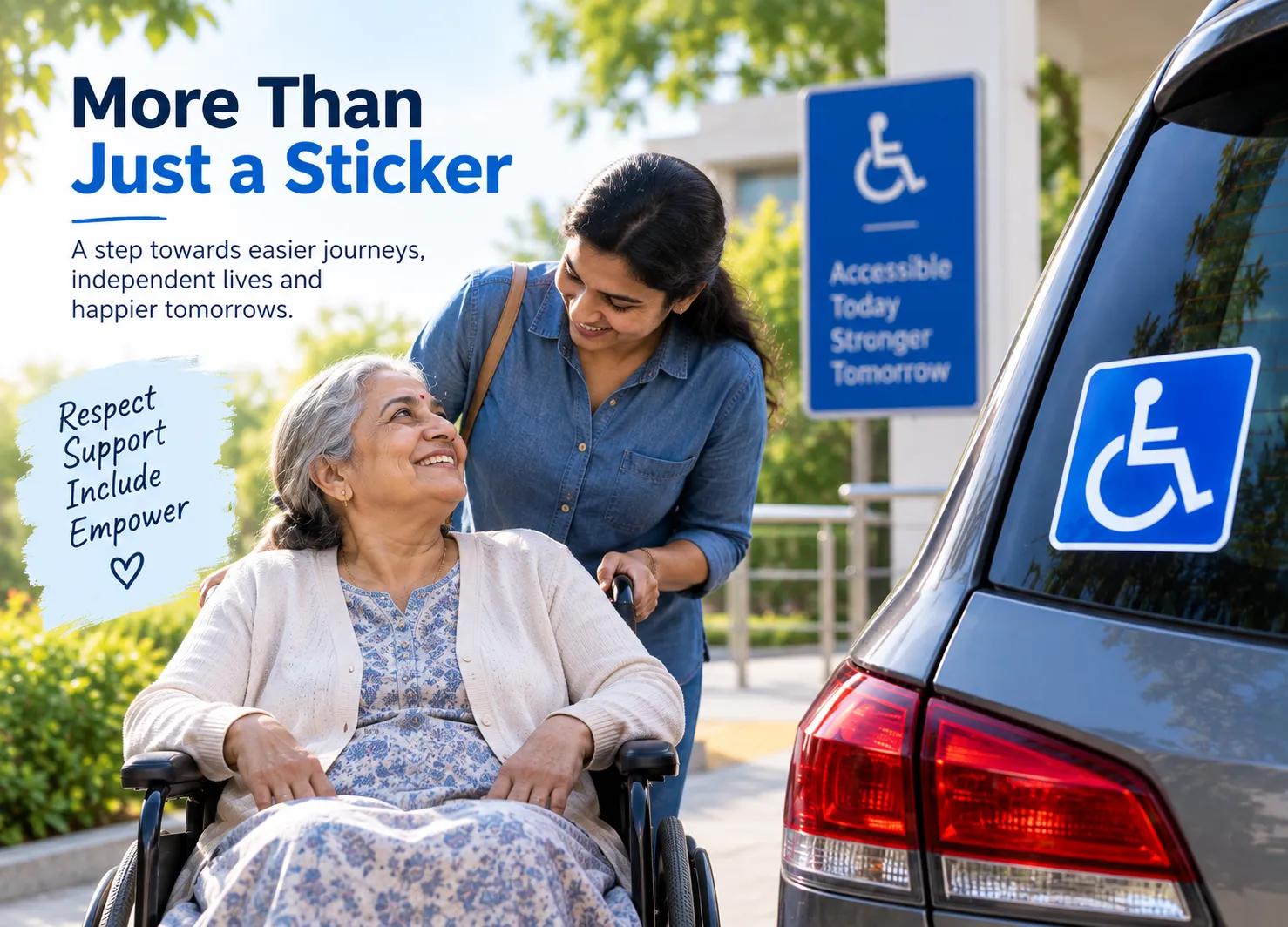
Watching a parent age is a strange experience. The person who once carried you on their shoulders now needs a steady arm to walk across a parking lot. It's humbling, and honestly, a little heartbreaking. But over time, I've learned that small adjustments — the kind most people never think about — can restore a surprising amount of independence to elderly parents who still want to live life on their own terms.
The Quiet Struggles Nobody Talks About
Aging often comes with a gradual loss of stamina, joint pain, balance issues, and slower recovery from even minor injuries. What doesn't get discussed enough is how these changes affect something as simple as running errands. A short walk from a parking spot to a store entrance, something most of us don't even register, becomes a genuine physical challenge for many seniors.
The First Sign We Needed to Change Something
For my father, it started with hesitation. He would suggest staying in the car while the rest of us shopped, or offer to "wait outside" during family outings. It took me a while to realize this wasn't about disinterest — it was about avoiding the discomfort of walking longer distances than his knees could comfortably handle.
A Simple Adjustment That Restored His Confidence
Getting an accessible parking sticker for his car turned out to be one of the simplest yet most effective changes we made. Suddenly, the distance between car and destination shrank considerably, and with it, his hesitation to join outings disappeared almost entirely. We found it surprisingly convenient to Buy Handicapped Stickers Online, comparing a few options based on size and durability before choosing one that suited his sedan.
Why Independence Matters More Than Convenience
It would be easy to frame this as simply "more convenient parking," but for elderly individuals, it's about something deeper — the ability to remain active participants in daily life rather than passive observers. Being able to walk into a pharmacy, a temple, or a family function without needing extensive help preserves a sense of dignity that matters immensely as people age.
Helping Seniors Navigate the Process
Many elderly individuals are hesitant to ask for accommodations, often out of pride or simply not wanting to feel like a burden. As family members, part of our role is recognizing these needs before they have to be explicitly asked for. Bringing up the idea gently, rather than waiting for a crisis or injury, makes the transition feel less like a loss and more like a practical upgrade to daily life.
What to Look for When Choosing a Sticker
Durability matters a great deal here, since elderly family members may not remember to check or replace a worn-out sticker regularly. Choosing one with strong UV resistance and weatherproofing ensures it remains legible and functional for a long stretch of time without needing frequent replacement.
The Ripple Effect on Family Life
Once my father regained some of that mobility ease, family outings became noticeably more relaxed. Nobody had to plan around "how far the walk will be" anymore, and he stopped opting out of activities he genuinely wanted to be part of. It's remarkable how much emotional weight a small physical barrier can carry — and how much lighter things feel once it's removed.
A Message to Other Families
If you're caring for aging parents, pay attention to the small hesitations — the offers to "stay behind," the reluctance to join longer outings. These are often quiet signals of physical discomfort that can be addressed with far less effort than most people assume.
Conversations That Are Easier Than They Seem
I used to dread bringing up the topic of mobility aids or accommodations with my father, worried it would feel like pointing out his limitations. What I learned is that framing the conversation around convenience rather than decline made a huge difference. Instead of saying "you need this because you can't walk far anymore," I approached it as "this will make outings easier for both of us." That small shift in language turned what could have been an uncomfortable conversation into a practical, almost casual decision.
Watching Confidence Return
There's a particular moment I still remember clearly — the first time my father walked into a family function without pausing at the entrance to catch his breath or look for somewhere to sit immediately. He moved at his own pace, greeted people, and seemed genuinely present in the moment rather than distracted by discomfort. That single change in how he carried himself told me more about the impact of accessible parking than any explanation ever could.
Extending the Benefit to Other Seniors in the Family
Once we saw how much this helped my father, we started noticing similar hesitations in other elderly relatives. My aunt, who has arthritis in both knees, had been quietly avoiding longer outings for months without telling anyone. Bringing up our experience opened a conversation that led her to consider the same option for her own vehicle. It made me realize how often these struggles go unspoken simply because nobody thought to ask.
The Financial Side of the Decision
Some families hesitate because they assume accessibility accommodations come with significant costs or complicated paperwork. In reality, a quality sticker is a relatively small investment compared to the daily comfort and independence it provides. When weighed against the alternative — a parent who gradually withdraws from social activities due to physical strain — the decision becomes an easy one for most households.
Encouraging Seniors to Advocate for Themselves
While family support matters, it's equally important to encourage elderly individuals to recognize and voice their own needs rather than relying solely on others to notice. Simple conversations about how a particular outing felt, or whether a certain distance was manageable, can open the door for seniors to ask for accommodations before discomfort turns into avoidance altogether.
Final Thoughts
Independence in old age isn't about grand solutions; it's built from small, thoughtful adjustments that reduce daily friction. If mobility is becoming harder for an elderly parent in your life, don't wait for a bigger problem to force the conversation. Take the simple step to Buy Handicapped Stickers Online, and give them back a little more ease in getting through their day.